Man With Van in Chislehurst

We provide man with van services in Chislehurst for customers who need practical help moving items, furniture or household contents with care and straightforward planning. The service is suited to local moves, single-item transport and light removal work where a full-scale lorry is not necessary. We keep the focus on handling, loading and transport, so the work stays organised from the first enquiry through to delivery.
Our service can support home moves, furniture collection and small business transport, depending on what needs to be moved and how it should be loaded. The aim is to offer a flexible removal option that suits the size of the job without making it feel overcomplicated. If you are comparing moving options, it helps to think about volume, access, parking and whether the load needs dismantling or protective wrapping.
For a clear next step, tell us what needs moving and when it needs to travel. If you are ready to compare options, you can also request a quotation after reviewing the service details below.
House Moves and Local Removal Work
For household moves, a man with van setup is often best used for smaller homes, partial moves or moving selected rooms between addresses. It can also be suitable when the job involves items that do not justify a larger removals vehicle. We handle the practical side of lifting and transport, while the customer decides what should go, what should stay and how the move should be arranged around the property layout.
Local removal work is usually shaped by access and item type. Narrow hallways, upper-floor flats, shared entrances and limited parking can affect how long loading takes and how carefully the job needs to be planned. A strong quotation depends on the actual move, not just on an estimate of size, which is why item lists and access notes are useful when discussing a job.
What the service can cover
The moving work may include sofas, beds, white goods, boxes, wardrobes, garden items or mixed household contents. Some jobs only need transport, while others need help carrying items from inside the property to the vehicle. The most practical approach is to match the vehicle space and labour to the load, so the move stays efficient without paying for unnecessary capacity. If you want to compare services, check the route and the type of items first.
Furniture Collection and Single-Item Transport

Furniture collection is one of the most useful parts of a man with van service, especially when an item has to be picked up from a shop, storage unit, auction site or private address and delivered elsewhere. This can work well for bulky pieces such as wardrobes, tables, chairs, shelving and beds. It is also a sensible option when the item is too large for a car but too small to justify a full removals crew.
Single-item transport needs careful handling because the load may be awkward, heavy or easily marked. We can move one item on its own or combine several pieces into one trip where that is practical. When a sofa or cabinet has to pass through tight spaces, it is sensible to check whether any parts should be detached first. Simple preparation can reduce delays and help the item travel securely.
Some customers use this kind of work for marketplace purchases or replacement items that need transporting on a specific day. Others use it for disposal runs, room changes or returning furniture after a temporary move. Clear item details help with both price and handling, especially where the load has unusual dimensions, fragile finishes or a delivery point with restricted access. If the job needs a reliable collection plan, it is worth comparing the practical details early.
Packing Support, Loading and Unloading

A man with van service is not only about driving from one place to another. The loading stage matters just as much, because the way items are stacked and secured affects how safely they travel. We can support loading and unloading when customers need extra hands with furniture, boxes, bags or mixed household contents. That makes the service more adaptable for people who want help with the heavy work but do not need a full packing team.
Well-planned loading also protects the items themselves. Heavier pieces should usually be positioned to form a stable base, while lighter or more delicate items can be placed where they are less likely to shift. Protective blankets, straps and careful spacing can all help, depending on the load. Where it is relevant, dismantled furniture can be grouped with fixings kept together so reassembly is easier at the other end.
Useful preparation does not have to be complicated. A short list of the items, a note on lifts or stairs and a clear idea of which pieces must be handled first can make the process smoother. If there are fragile items or items with a value beyond their replacement cost, flagging them in advance helps the move stay organised. Good loading is a service decision, not just a vehicle decision.
Household and Small Business Deliveries
Many customers use a van and driver service for deliveries that are too involved for a standard courier but do not require a full removal contract. That may include furniture purchased from a retailer, equipment moved between addresses or boxes delivered to another part of London and Kent. The advantage is that the transport can be planned around the actual load rather than around a parcel network format.
Small business work can involve stock, display items, office equipment or trade materials. The main consideration is how the items should be handled and whether they need to remain upright, covered or separated in transit. For business customers, clarity on quantities, locations and timing is usually more valuable than broad estimates. Where the load is mixed, the van can be arranged around the largest and most fragile items first.
If you are deciding between a general courier and a man with van booking, think about whether the job needs loading assistance, flexible routing or help with heavier pieces. For some deliveries, that support is what makes the difference between a rushed drop-off and a controlled transport plan. You can also ask about the best way to present the load so the quotation reflects the real work.
How to Plan a Quotation

A practical quotation is built from facts about the job. The main elements are the type and number of items, the collection and delivery points, and any access limits at either end. A full inventory is not always needed, but a clear outline of the larger items and the number of boxes makes the plan more accurate. That is especially helpful when stairs, parking restrictions or long carries may affect loading time.
It can also help to say whether anything needs to be dismantled, wrapped or carried with extra care. If you know the approximate sizes of beds, wardrobes or appliances, include them. If the move involves flexible dates, mention that too, because it may help with scheduling options. Accurate details reduce surprises and make it easier to match the right van and labour to the work.
Customers sometimes ask whether a smaller job can be combined with another collection or whether items can be moved in stages. The answer depends on the load and the route, so the best first step is to describe the job clearly rather than assume a standard format. If you already know the destination and the main items, ask for a quotation with those details to keep the process efficient.
Service Options and Related Moving Support
Some moves need more than transport alone. Depending on the job, a customer may want help with dismantling basic furniture, unpacking at delivery, or moving items between rooms during a house clear-out or reset. The most useful option is the one that matches the task rather than adding unnecessary extras. We keep the service focused on what is actually required so the job remains manageable.
Where the contents include mixed household goods, office pieces or bulky items, choosing the right vehicle space matters. Overfilling a van can make loading awkward, while booking too much space can be unnecessary. That is why it helps to separate the larger items from the smaller boxes before requesting a price. If the work also includes multiple stops, it is better to describe the route clearly rather than leave it open-ended.
Typical support can include:
- local home moves with limited furniture
- single-item or multi-item furniture collection
- loading and unloading support
- transport for small office or business items
- combined pick-up and delivery trips
About Chislehurst

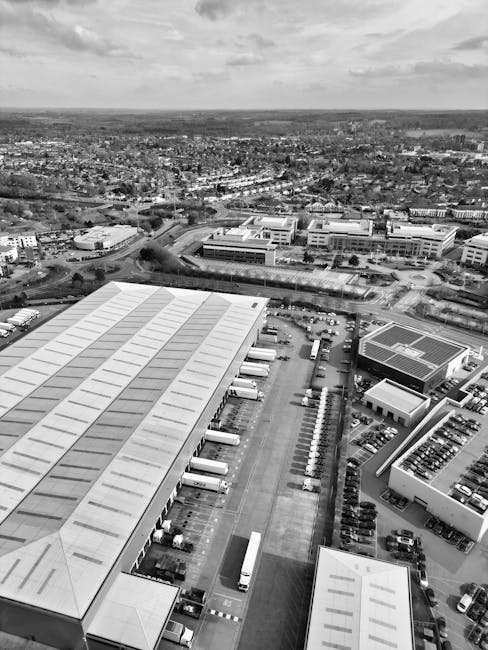
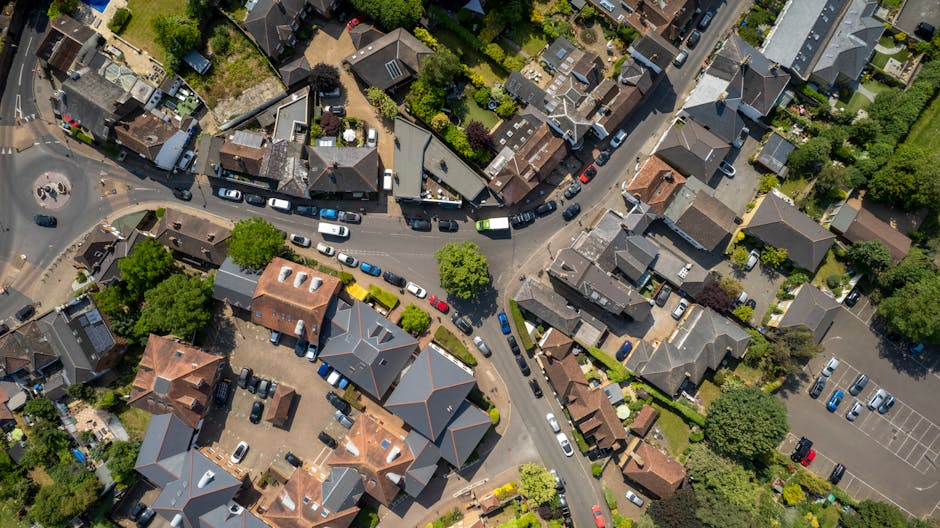
Chislehurst is a suburban area in the London Borough of Bromley, known for its mix of village character, green space and long-settled residential streets. It sits near the edge of Greater London and has retained a distinct centre around the common, where open land and mature trees give the district a less built-up feel than many neighbouring places. The area has long been associated with both domestic life and leisure, with footpaths, ponds and woodland shaping the local landscape. Chislehurst Common and Petts Wood are among the best-known open spaces nearby, while Scadbury Park Nature Reserve adds another layer of historic and ecological interest. The area also has a notable cave network: the Chislehurst Caves, dug over time from former chalk workings, later served different purposes including storage and shelter, and are now part of the local heritage story. The district’s roads and buildings reflect a mixed pattern of development, with older properties near the centre and later housing spreading outward. Chislehurst railway station links the area to central London and the wider southeast, helping maintain its role as a commuter suburb while preserving a recognisable local identity. Churches, schools, independent shops and the common all contribute to a place that feels settled rather than transient. Public green spaces, tree-lined streets and a strong sense of scale remain part of what defines Chislehurst today.
Office Moves and Commercial Transport
Commercial customers often need a more careful approach than a standard domestic move, even when the load is not large. Office relocation work may involve desks, chairs, computer equipment, archive boxes or small fixtures that need orderly handling. A man with van arrangement can be useful for smaller offices, home-working setups or overflow items being moved between sites. The main priority is to keep the items secure and the move well sequenced.
For business transport, timing and access tend to matter as much as volume. Deliveries may need to fit around opening hours, building restrictions or limited loading bays, and the contents may need to remain in a particular order during travel. If you are moving work equipment, it helps to identify anything sensitive, fragile or awkward before the van is booked. That allows the job to be planned with the right attention to packing and unloading.
Where the work is recurring, a simple description of the regular load can make future bookings easier. The same is true for storage runs, stock movements and trades-related transport, where items may travel in stages. A well-organised quote is usually more useful than a broad promise, because it reflects the actual work and the practical route that needs to be covered.
Booking the Right Move
The best bookings are built around clarity. Before arranging transport, it helps to know the start point, the destination, the main items and whether there are any obstacles such as stairs, tight corners or waiting restrictions. If the job involves multiple pieces, it is sensible to group them by size and fragility so the load can be arranged properly. This is especially useful where the items are valuable or hard to replace.
Customers sometimes like to prepare photographs or a short item list before they enquire, and that can be useful when the job is complex. A few images of the larger pieces, together with notes on access, are often enough to show how the load is likely to fit. If you have fixed timings, say so early; if you are flexible, mention that too. Either way, the aim is to make the move easy to understand before the van is assigned.
We aim to keep the service straightforward, with clear communication and practical handling from collection to delivery. If you are comparing man and van options in Chislehurst, think first about the work itself and then about the level of assistance needed. For a straightforward next step, send the job details and request a quotation.