Bulky Waste and Mattress Disposal Rules in Chislehurst
Posted on 02/06/2026
Bulky Waste and Mattress Disposal Rules in Chislehurst: A Practical Local Guide
If you are trying to get rid of an old sofa, wardrobe, bed frame, or mattress in Chislehurst, the process can feel annoyingly unclear. What counts as bulky waste? Can a mattress go out with normal rubbish? Do you need to book collection, break items down first, or arrange a specialist removal? The rules are not hard once you understand them, but they do matter. Getting them wrong can mean missed collections, damaged property, fly-tipping risk, or a very awkward trip to the kerb at 7 a.m. with a mattress you now regret lifting alone.
This guide explains Bulky Waste and Mattress Disposal Rules in Chislehurst in plain English, with a local, practical angle. You will learn what usually qualifies as bulky waste, how mattress disposal is normally handled, what to check before you book a collection, and how to choose the cleanest, safest, most sensible option for your situation. We will also look at common mistakes, compliance basics, and when it makes more sense to use a removal team that can handle the heavy lifting without drama.
Practical takeaway: the best disposal method is usually the one that matches the size of the item, your building access, and how quickly you need it gone. A little planning saves a lot of hassle.

Why Bulky Waste and Mattress Disposal Rules in Chislehurst Matters
Bulky items are different from everyday household rubbish. A mattress, divan base, bed frame, large rug, broken wardrobe, or chest of drawers takes up space, is awkward to handle, and often needs a specific disposal route. In a place like Chislehurst, where many homes have tight access, shared driveways, limited on-street space, or upstairs rooms, the practical side of disposal becomes just as important as the rulebook.
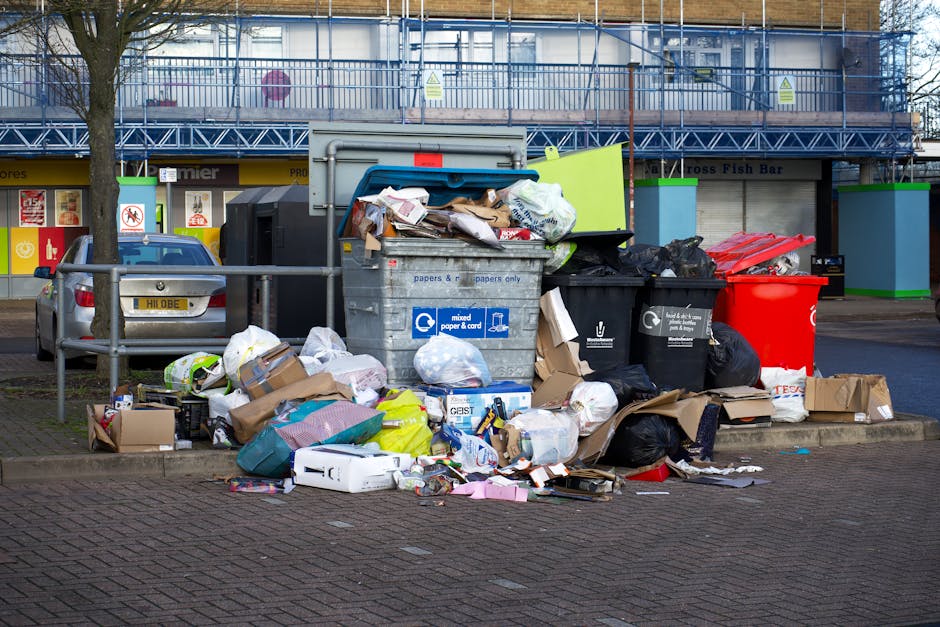
There is also a bigger reason these rules matter: bulky waste is one of the easiest categories to mishandle. People often assume, a bit too casually, that "someone will take it" if they leave it outside. Not usually. Mattresses left in the wrong place can become damp, unsightly, and a target for vermin or fly-tippers. Worse, if an item obstructs a pavement or road, it can create a nuisance for neighbours and pedestrians. Nobody wants to be that house on the street, do they?
Used properly, the rules help you keep things tidy, avoid penalties or complaints, and ensure items go to appropriate recycling, re-use, or disposal channels. That matters from a sustainability point of view too. If you are already trying to declutter before a move, it is often the perfect moment to separate what can be donated, reused, recycled, or removed as bulky waste. For a broader decluttering mindset, see how decluttering can make moving feel lighter and more manageable.
For many households, the real challenge is not the disposal itself, but the decision-making: what can go, when, and by which route? Once you answer that, the rest gets much easier.
How Bulky Waste and Mattress Disposal Rules in Chislehurst Works
In practice, bulky waste disposal usually falls into one of a few common routes: council-style bulky item collection, private removal, reuse or donation where appropriate, or transport to a licensed waste facility through a suitable carrier. The exact route depends on the item, the quantity, your building access, and whether you need a quick turnaround.
Mattresses deserve a special mention because they are awkward, soft but bulky, and not ideal for ordinary bin collections. They can also be a pain to move through narrow hallways or stairwells if you do not wrap or secure them properly. If you are planning to move a mattress as part of house clearance or relocation, it helps to read up on practical ways to move a bed and mattress safely before you start tugging at corners and pretending it will be fine.
Here is the simple version of how it often works locally:
- Check the item type. Is it household bulky waste, a mattress, electrical furniture, or mixed waste?
- Separate reusable items. If the mattress or furniture is clean and in decent condition, it may be better reused than thrown away.
- Choose the collection route. You might arrange collection with a remover, a waste carrier, or another authorised collection option.
- Prepare the item. Remove bedding, empty drawers, and clear access routes.
- Confirm what is included. Some collections are item-based, some are volume-based, and some have restrictions on what can be taken together.
It is also worth thinking about timing. If you need items gone at short notice, a same-day or next-day service can be a lifesaver, especially if you are in the middle of a move or tenancy handover. In those cases, a same-day removals service in Chislehurst can be the difference between a clean handover and a very stressful evening with a mattress balanced awkwardly in the hallway.
One thing people miss: access matters as much as the item itself. A mattress from a ground-floor room is very different from one that has to come down a steep staircase in a flat. If you live in a smaller property, it may be worth looking at flat removals support in Chislehurst if the item is part of a larger clearance or move.
Key Benefits and Practical Advantages
Following the right bulky waste and mattress disposal route is not just about staying tidy. It gives you a few real-world advantages that people tend to appreciate only after the job is done.
- Less stress. You know exactly what happens next, so you are not guessing on the day.
- Safer lifting. Mattresses are light in theory and awkward in reality. The shape is the problem, not the weight.
- Cleaner spaces. No more cluttered spare room, hallway pile-up, or that bed frame you keep stepping over.
- Better recycling outcomes. Proper disposal gives reusable materials a better chance of being recovered.
- Faster move-outs. If you are leaving a property, bulky waste clearance can make the final clean-up much smoother.
There is also a practical financial side. Sometimes people hold onto an old mattress or broken wardrobe because they assume disposal will be complicated or expensive. In reality, the right service can be straightforward and, when planned well, often cheaper than the hidden cost of doing it yourself: van hire, fuel, parking stress, time off work, and the inevitable "why did we do this on a Sunday?" moment.
If you are weighing up the wider move, it can help to look at related help such as furniture removals in Chislehurst or the broader removal services available locally. Often, bulky waste clearance becomes easier once it is viewed as part of the whole move rather than a separate headache.
Expert summary: the safest disposal solution is usually the one that keeps you off the sharp end of lifting, keeps the hallway clear, and leaves the property tidy without last-minute panic.
Who This Is For and When It Makes Sense
Bulky waste and mattress disposal rules matter to more people than you might think. It is not just about full house moves. In fact, some of the most common situations are quite ordinary:
- Homeowners replacing a mattress, sofa, or worn-out wardrobe.
- Tenants who need to clear items before checkout.
- Landlords and letting agents managing end-of-tenancy clearances.
- Students moving between rooms, houses, or digs with limited access and limited patience.
- Families decluttering before a move or spring clean.
- Small businesses disposing of office furniture or storage items.
It makes sense to follow the rules whenever the item is too large for normal waste collection, too awkward for your own car, or too heavy to shift safely without help. If that sounds obvious, fair enough. But people still try to muscle through it alone, usually at dusk, in a rush, after a full day's work. That is how backs get tweaked and stair edges get scraped.
For student moves and smaller households, a lighter-touch approach may work best. If you are juggling deadlines, exams, or a quick end-of-term clear-out, student removals in Chislehurst can be a useful option because it keeps the process compact and more manageable. And if the job needs to happen quickly, a man and van service in Chislehurst is often the right middle ground between doing it yourself and booking a full-scale removal.
Step-by-Step Guidance
If you want the process to run smoothly, treat it as a mini-project. Nothing fancy. Just a calm sequence of steps.
- List the items. Write down every bulky item, including the mattress, base, frame, and any extra furniture.
- Check condition. Decide whether anything is reusable, repairable, or suitable for another home.
- Measure access. Note stair widths, hallway turns, door clearances, and whether parking is awkward.
- Separate materials. Remove bedding, loose parts, drawers, and anything that can be detached safely.
- Choose your route. Decide whether you need collection, loading help, a van, or a combined move-and-clear service.
- Book the right time. Give yourself enough time for dismantling and loading. Rushing is where mistakes creep in.
- Prepare the space. Clear a route to the front door. Move rugs, shoes, and anything breakable.
- Confirm disposal details. Make sure the collection covers the full item list and any restrictions are understood.
One useful habit is to photograph the items before collection. It is simple, and it avoids those awkward "I thought the headboard was included" conversations. Not glamorous, but practical. Also, if your item is part of a bed setup, it helps to read a few handling tips beforehand; the article on lifting smarter with basic kinetic principles is a good reminder that body position matters more than bravado.
If the item is large and the stairs are tight, do not force it. There is nothing heroic about dented walls. That is where insurance and safety practices become part of the decision, not an afterthought.
Expert Tips for Better Results
These are the small things that tend to make a big difference.
- Bag bedding separately. Sheets, pillows, and mattress protectors are easier to manage when they are not tangled around the mattress.
- Wrap the mattress if it is being carried through shared areas. It keeps things cleaner and more respectful to the property.
- Dismantle furniture before collection. A bed frame in pieces is easier to handle than a half-hearted attempt to carry it whole. Honestly, everyone knows this, but people still try it.
- Plan for parking and access. A clear route is half the battle in Chislehurst's tighter residential streets.
- Use a helper for awkward items. Even if the job looks simple, an extra pair of hands helps when turning corners or lifting over thresholds.
- Bundle related jobs together. If you are clearing a bedroom, mattress disposal and furniture removal can be organised in the same visit.
A small but useful tip: if the mattress is being replaced, arrange the disposal before or on the same day as the delivery. That way you are not storing an old mattress in the spare room for two weeks "just in case". We all know that usually becomes two months.
You may also want to think about storage if you are in between homes. A temporary solution through storage in Chislehurst can help if you are separating what stays, what goes, and what you will decide on later. That breathing room can be genuinely helpful.
Common Mistakes to Avoid
Most bulky waste problems come from a few predictable mistakes. The good news is they are easy to avoid once you know them.
- Leaving items outside too early. This can create clutter, nuisance, or weather damage.
- Assuming a mattress is just another bin item. It usually needs a dedicated disposal route.
- Not checking access properly. A mattress that looks fine in the bedroom may be a nightmare at the front door.
- Trying to lift alone. This is how people end up half-stuck on stairs, swearing softly under their breath.
- Mixing unacceptable waste types. Bulky waste, electrical items, and general rubbish are not always treated the same way.
- Booking the wrong vehicle. A car boot and a small van solve very different problems.
Another mistake is forgetting that the disposal route should match the condition of the item. If a mattress is still decent, the better question might be whether it can be reused or passed on rather than simply discarded. For larger furniture, the same thinking applies. A responsible approach often starts with sorting, not lifting.
If the job is part of a bigger clear-out, pre-move cleaning and tidying can help you spot items that should be removed before moving day. A clean room makes poor decisions easier to catch.
Tools, Resources and Recommendations
You do not need fancy equipment to dispose of bulky waste properly, but a few simple tools make the job safer and less messy.
- Work gloves for grip and protection.
- Moving blankets or wrapping material to keep items clean and prevent scuffs.
- Straps or ties for securing dismantled bed parts.
- A tape measure for checking stair turns, door widths, and vehicle access.
- Clear labels for separating what is going, what is staying, and what needs to be reused.
In terms of support, the most useful resources are usually practical rather than technical: removal help, safety-focused handling guidance, and services that are happy to manage bulky items alongside other moving tasks. If you are still comparing options, it is worth browsing the broader services overview to see how bulky waste clearance can fit into a move, declutter, or house clearance plan.
For anyone worried about payment, getting a clear quote upfront is sensible. The pricing and quotes information is helpful when you want to understand what is likely to affect the cost before you commit.
Law, Compliance, Standards, or Best Practice
When people talk about waste rules, they often want one simple answer. The trouble is, the safe answer depends on the item and the service being used. The main principle is straightforward: waste should be handled by suitable, responsible routes, and bulky items should not be dumped, abandoned, or left where they create a hazard.
Best practice usually means:
- Using a lawful collection method for the type and amount of waste you have.
- Checking that the collector is appropriate for the work being done.
- Keeping access safe for workers, neighbours, and anyone passing by.
- Separating reusable items where possible instead of sending everything to disposal by default.
- Avoiding fly-tipping or casual dumping, even if the item feels inconvenient.
Mattresses, in particular, benefit from careful handling because they are bulky, absorb moisture, and can be unpleasant to store if left too long. If you are unsure whether your disposal route is sensible, ask for a clear explanation of how the item will be collected, handled, and taken away. A decent provider should be able to explain the process plainly. No jargon. No smoke and mirrors.
It is also wise to keep an eye on safety obligations around lifting, access, and property protection. If you are combining bulky waste disposal with moving, the health and safety approach used by the removal team should give you confidence that the process has been thought through properly.
Options, Methods, or Comparison Table
There is no single best disposal method for every household. The right choice depends on speed, item condition, access, and whether you want help with lifting.
| Option | Best for | Pros | Watch-outs |
|---|---|---|---|
| DIY disposal | Very small loads and easy access | Feels cheap at first; total control | Heavy lifting, parking, time, and transport can make it less practical than expected |
| Bulky waste collection | Single items or planned clear-outs | Simple and tidy when booked correctly | May require advance planning and item restrictions |
| Removal or man and van support | Mattresses, bed frames, and mixed bulky items | Less lifting for you, better for awkward access | Make sure the service matches your timeline and item list |
| Full house or furniture removal | Larger moves, clear-outs, or end-of-tenancy work | Best for multiple items and joined-up logistics | May be more than you need if you only have one mattress |
If your situation sits somewhere in the middle, a flexible removal option is often the sweet spot. For example, a bed, mattress, and wardrobe from one bedroom can often be handled more cleanly with man with a van support in Chislehurst than by trying to patch together your own transport.
Case Study or Real-World Example
Here is a typical local scenario. A couple in Chislehurst are moving out of a first-floor flat. They have a mattress, bed base, and a chest of drawers that no longer fits the new place. The mattress is too bulky for their car, the stairwell is narrow, and they need the flat cleared before handover the following afternoon.
At first, they think about doing it themselves over two trips. Then they measure the stairs and realise the mattress is likely to bend awkwardly on the turn. That is the moment most people pause and think, right, maybe not worth the risk. They arrange help, separate the bedding, dismantle the frame, and schedule the collection for a time when parking is easier outside.
The difference is not just convenience. The hallway stays cleaner, the walls stay unmarked, and the move is far calmer. In that sort of situation, bulky waste disposal is not an isolated task; it is part of the move-out strategy. If the flat also needs a broader clear-out, it is often worth looking at house removals in Chislehurst or general removals support to keep everything coordinated.
The real lesson? The fastest-looking option is not always the best option. Sometimes the slower, more organised one saves the most time in the end.
Practical Checklist
Use this checklist before you arrange bulky waste or mattress disposal in Chislehurst.
- Identify every item that needs to go.
- Separate mattresses, bed parts, and general bulky furniture.
- Check whether any item can be reused, donated, or repurposed.
- Measure doors, stair turns, and the path to the exit.
- Clear the hallway, landing, and entrance area.
- Remove bedding, drawers, loose fittings, and detachable parts.
- Decide whether you need collection only or lifting help too.
- Choose a time that avoids parking or access problems if possible.
- Confirm what is included in the collection.
- Keep children and pets out of the access route on the day.
If you are combining disposal with packing up a home, it also helps to have the right boxes and wrapping materials ready. A quick look at packing and boxes in Chislehurst can make the rest of the move feel more organised, less chaotic, and a bit less like a scene from a Sunday night panic.
And if the schedule has got away from you, there is no shame in using help. That is what good planning looks like, actually.
Get a free quote today and see how much you can save.
Conclusion
Bulky waste and mattress disposal in Chislehurst does not need to be complicated, but it does need to be handled with a bit of care. Once you know what counts as bulky waste, how mattress disposal typically works, and what to check before booking, the whole thing becomes much more manageable. The main goals are simple: keep the process safe, avoid unnecessary stress, and make sure items are removed through a sensible, responsible route.
If you are clearing one mattress or several large items, the smartest approach is usually the one that reduces lifting, suits your access, and fits your schedule. That might mean a straightforward collection, a van and loading support, or a broader removal service if the job has grown legs. Either way, a little planning goes a long way.
To be fair, most of the stress comes from waiting too long and trying to solve everything on the day. Once you act early, the job feels much smaller. And that is a relief you can actually feel when the room is finally empty and the hallway is quiet.
For a company background and a sense of how local removal support is handled, you may also find about us useful.